Switch Gun for Hikers and Outdoorsmen: Compact Protection on the Trail
Carrying anything extra on a hike comes down to a weight-vs-value tradeoff - every ounce matters when you're covering miles. Here's an honest, complete look at where the Switch Gun fits into that calculation for hikers and outdoorsmen, and where it doesn't.
Weight and Pack Impact
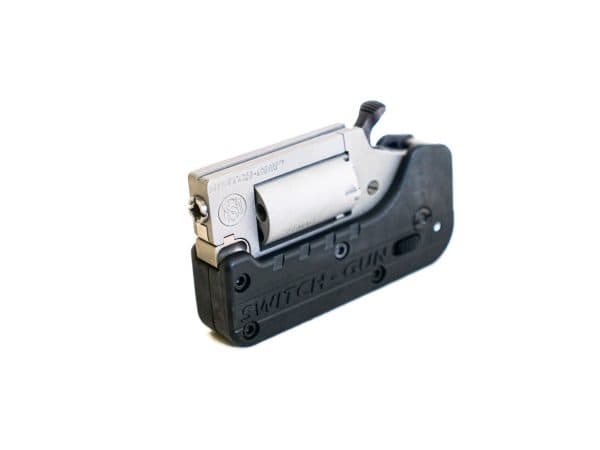
At 9 oz. loaded, the Switch Gun adds minimal weight to a pack or belt setup compared to most other options in this category - a fraction of the weight of a full-size handgun, and light enough that most hikers won't notice it in a hip belt pocket or a small holster. For anyone counting ounces on a long trail, this is a genuine advantage over larger carry options.
What It's Actually Useful For - and What It Isn't
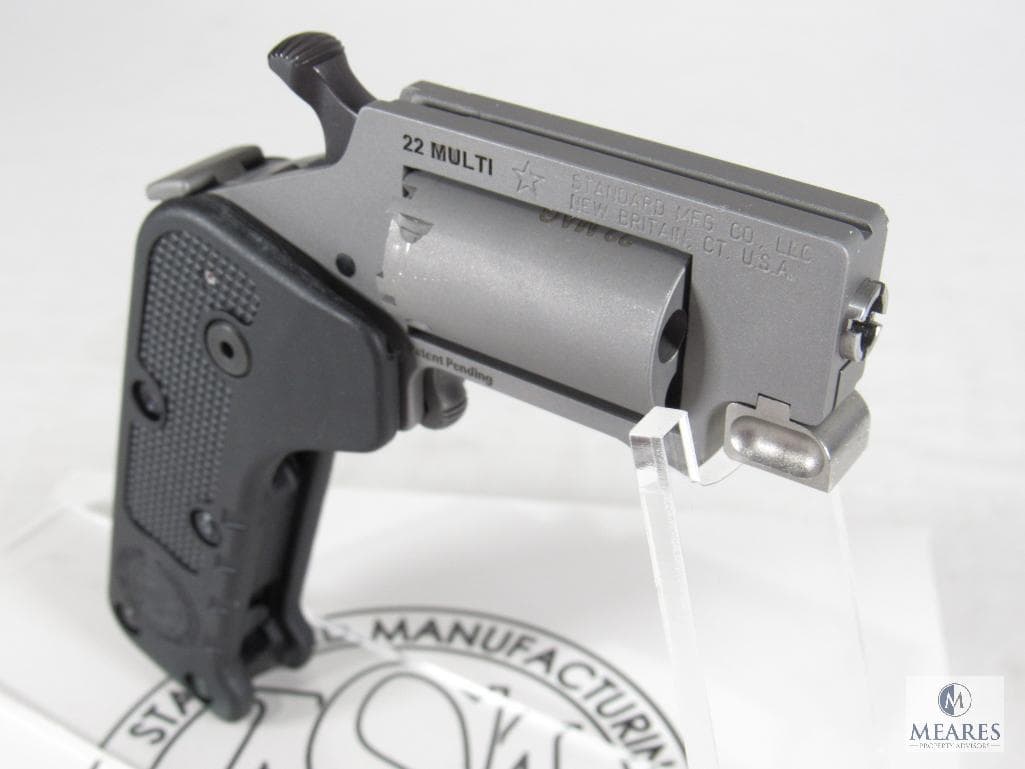
This is worth being direct about, since it matters for a purchase decision: the Switch Gun is chambered in .22 WMR or .22 LR, a lighter caliber generally considered inadequate for defense against large predators like bears. If bear encounters are a real concern on your route, bear spray is widely recommended by wildlife agencies and experienced backcountry hikers as more effective than a small-caliber handgun - it has a longer effective range, doesn't require a precise hit to be effective, and doesn't risk further agitating an animal with a non-lethal wound.
Where the Switch Gun is more reasonably suited:
- Personal protection from human threats on remote trails, at trailheads, or in backcountry camping situations - the same use case it's designed for anywhere else
- Small wildlife encounters - venomous snakes or smaller animals, where a lighter caliber is more proportionate
- A secondary/backup option alongside bear spray, not a replacement for it, in bear country specifically
Being clear about this distinction matters more than making a sale - carrying the wrong tool for the actual risk on your route doesn't serve you well.
Carry Options for the Trail
- Hip belt pocket carry - many hiking packs include a hip belt pocket sized well for something the Switch Gun's folded footprint; quick access without digging through a main pack compartment
- Pocket clip, worn on hiking pants - direct pocket carry, consistent with how it's carried day to day, works well if your hiking pants have a secure front pocket
- Belt holster - Kydex or carbon fiber, for hikers who prefer on-body carry over pack-based carry, particularly useful if you'd want access even after setting a pack down at camp
Care in Outdoor Conditions
Outdoor use introduces some additional care considerations beyond standard pocket carry:
- Moisture and humidity - after exposure to rain, heavy humidity, or river crossings, dry and lightly re-oil the firearm as soon as practical rather than leaving it damp in a holster or pocket, particularly around the folding hinge, which is more prone to trapping moisture than a fixed-frame revolver.
- Dust and trail grit - the folding mechanism is more exposed to fine dust and grit accumulating in the hinge than a sealed fixed-frame design; a quick check and brush-out after dusty trail conditions helps keep the fold-open action smooth.
- Temperature swings - like any firearm, avoid leaving it in direct sun in a hot car or tent for extended periods, and be aware that extreme cold can affect lubrication consistency; a lighter lubricant application in cold conditions can help prevent stiffness.
- Post-trip cleaning - treat any multi-day trip the same as a range day for cleaning purposes, particularly if it was exposed to rain, dust, or river crossings.
A Realistic Take
The Switch Gun's weight and pocket-size footprint genuinely fit the priorities of ounce-conscious hikers well. Where it fits less well is as a solution to large predator encounters, where its caliber isn't the right tool for the job regardless of how convenient it is to carry - that's a case where bear spray, situational awareness, and standard backcountry safety practices (making noise, hiking in groups, proper food storage) matter far more than what firearm you're carrying. For personal protection from human threats on the trail, or as a light, low-commitment addition to a kit that already includes proper wildlife safety measures, it's a reasonable fit.