Is a .22 Enough to Stop an Attacker?
This is one of the most debated questions in the entire self-defense firearms conversation, and it's worth answering honestly rather than picking a side to defend. The short version: .22 caliber rounds are less powerful than centerfire self-defense calibers, but "less powerful" and "not viable" aren't the same thing.
Where the Skepticism Comes From
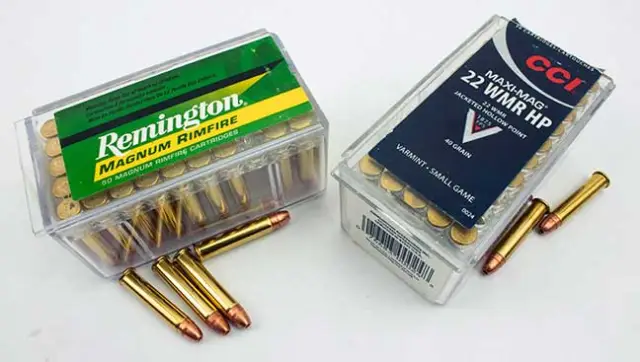
.22 LR and .22 WMR are rimfire cartridges with meaningfully less energy than centerfire rounds like 9mm or .45 ACP. From short barrels specifically - the kind found in pocket revolvers - that energy gap narrows the numbers even further compared to what you'd see from a rifle. Some .22 WMR loads tested from short-barreled handguns don't reliably expand at all, meaning part of the terminal performance advantage people associate with .22 WMR doesn't fully materialize from a compact platform. Rimfire ignition has also historically had a slightly higher failure-to-fire rate than centerfire, though modern manufacturing has narrowed that gap considerably.
These are real, legitimate points, and most trainers and experienced shooters would recommend a centerfire caliber as a primary carry option if you can manage the recoil comfortably.
Why Experienced Shooters Still Trust It Anyway
A few consistent reasons come up in this conversation among shooters who do choose .22:
Shootability beats theoretical power. A round you can place accurately under stress often matters more than a more powerful round you flinch from or struggle to control. Low recoil means faster, more confident follow-up shots.
It's about the whole system, not the caliber alone. Shot placement, number of hits, and simply having a firearm on you rather than nothing all factor into a real defensive scenario more than the caliber by itself. Multiple accurate .22 hits can outperform a single poorly placed shot from a more powerful round.
Accessibility matters. Not everyone can comfortably manage centerfire recoil - due to hand strength, experience, physical limitations, or simply personal comfort. A gun someone will actually carry and can shoot confidently is more valuable in practice than a theoretically more powerful one they avoid using.
Modern ammunition has improved. Several manufacturers now produce .22 WMR and .22 LR loads specifically engineered for better expansion and reliability from short barrels - genuinely different performance than older reference data suggests.
What This Means for Your Decision
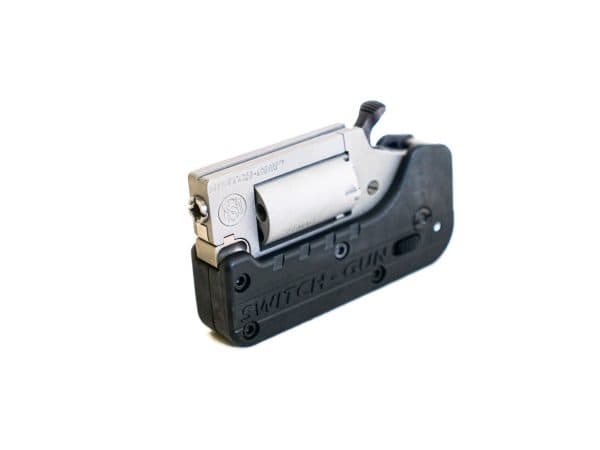
If you can comfortably and confidently manage a centerfire caliber, most experienced shooters and trainers would still point you there for a primary carry gun. Where .22 platforms - including folding revolvers like the Switch Gun - tend to make the most sense:
- As a backup or secondary firearm to a centerfire primary
- For shooters who genuinely can't manage centerfire recoil comfortably
- As a deep-concealment option for situations where carrying something is better than carrying nothing, and the alternative is carrying nothing at all
- Paired with a mindset that prioritizes shot placement and follow-up shots rather than relying on one round to do the job
The Honest Bottom Line
A .22 is not the most powerful defensive option available, and it's reasonable to want more capable ammunition if you can manage it. But "not the most powerful" doesn't mean "not viable" - a well-placed shot from a gun you actually carry, are comfortable with, and can shoot accurately under stress is a meaningfully better outcome than no gun at all, or a more powerful gun you avoid carrying because of recoil, weight, or size.