.22 WMR Ballistics: Is It Enough for Self-Defense?
.22 WMR gets recommended a lot as a low-recoil self-defense option, and the ballistics numbers on paper look genuinely impressive. But most of those numbers come from rifle-length barrels - and the picture changes meaningfully once you're looking at a short-barreled handgun like a pocket revolver. Here's the honest version.
The Numbers You'll Usually See
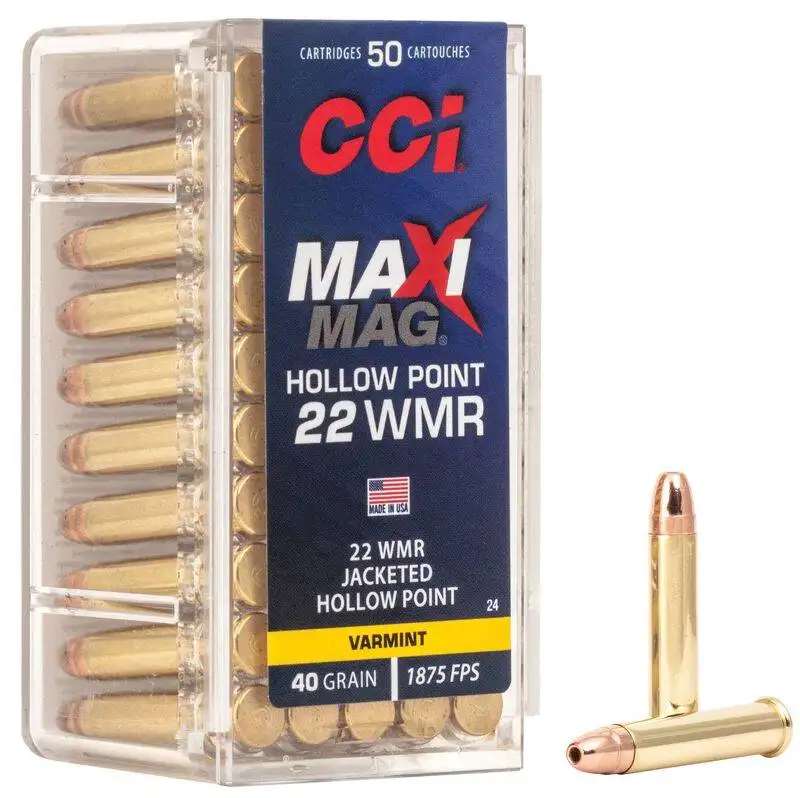
.22 WMR's standard 40-grain load produces roughly 60% higher velocity and about 2.5 times more muzzle energy than .22 LR. From a full rifle-length barrel, some loads reach up to 2,200 fps and over 300 ft-lbs of energy - genuinely strong numbers for a rimfire cartridge.
What Actually Happens from a Short Barrel
This is the part that matters most for a pocket revolver, and it's less commonly discussed: from a 2-inch barrel, .22 WMR muzzle velocity drops to roughly 1,000 fps - nearly half of what it produces from a rifle barrel. Independent short-barrel testing has found the gap between .22 WMR and .22 LR narrows considerably at this length: roughly 10% more velocity and 15% more energy for WMR over LR, compared to the 50-100%+ differences you see from longer barrels.
More importantly, published testing by American Rifleman found that many .22 WMR loads fired from short-barreled handguns didn't develop enough velocity to reliably expand at all - meaning some of the terminal performance advantage .22 WMR is known for doesn't fully show up once you're shooting it from a compact revolver rather than a rifle.
What This Means in Practice
None of this means .22 WMR is a bad choice - it means the rifle-barrel numbers you'll see quoted online don't fully apply to a pocket revolver, and it's worth choosing ammunition and expectations accordingly:
- Ammunition matters more than usual here. Rounds specifically engineered for short-barrel performance (several manufacturers now make loads designed around this exact limitation) perform meaningfully differently than older or general-purpose .22 WMR loads tested primarily from rifles.
- Shot placement matters more than raw energy. This is true of any defensive caliber, but it's especially relevant with a round whose short-barrel performance is more modest than its full-barrel numbers suggest.
- Multiple accurate hits often matter more than one powerful one. Low recoil means faster, more controllable follow-up shots - part of why some experienced shooters still choose .22 WMR despite its lighter energy, prioritizing accuracy and control over raw stopping power.
The Honest Bottom Line
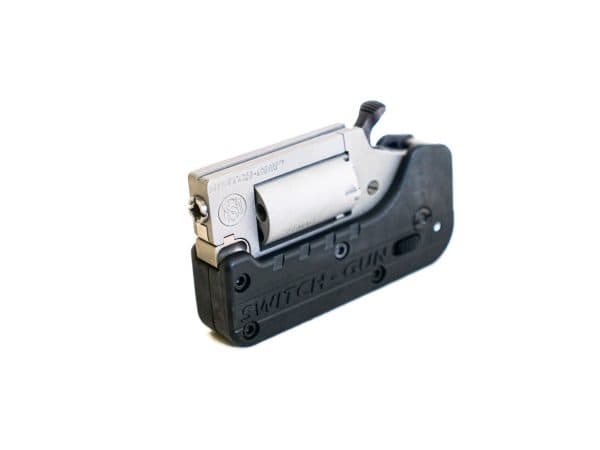
.22 WMR from a short-barreled revolver is a real step up from .22 LR, but a smaller one than rifle-barrel ballistics charts suggest. It's a legitimate choice for shooters who prioritize low recoil, easy follow-up shots, and a gun they'll actually carry and shoot confidently - not because it matches centerfire stopping power, but because a shootable, reliably carried gun with modest power often beats a more powerful one left at home or handled poorly under stress. Most experienced shooters would still recommend a centerfire caliber as a primary option if you can manage the recoil comfortably, with .22 WMR/.22 LR platforms like the Switch Gun more commonly recommended as a backup, a deep-concealment option, or for shooters who genuinely can't manage centerfire recoil.